
Turning Philanthropy Into Strategic Value
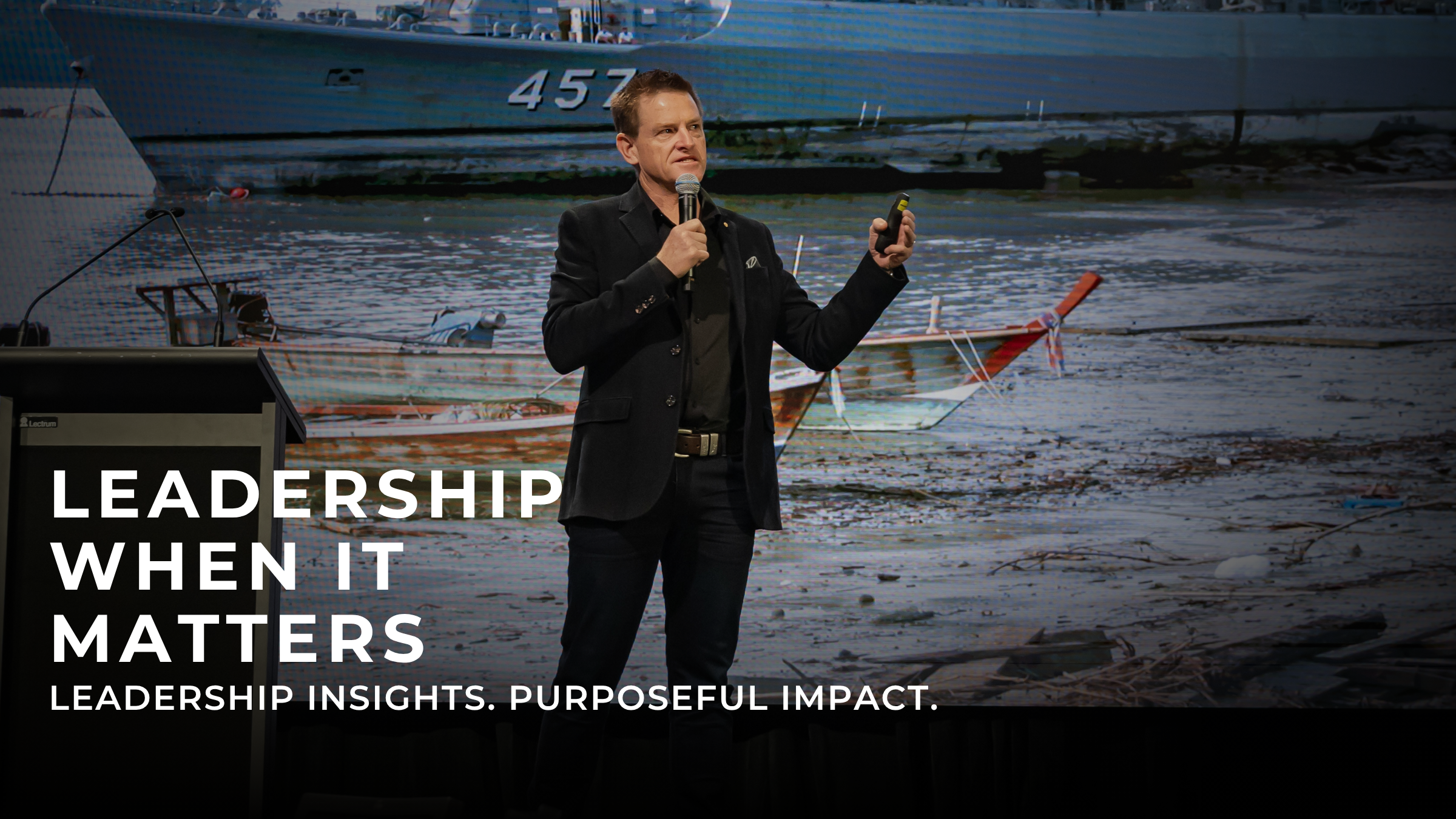
Philanthropy is often treated as a necessary cost of fundraising. But when designed well, it can become one of an organisation’s strongest value creators.
In this reflection, Peter Baines OAM explores how shared experiences can help not-for-profit organisations move beyond transactional giving and build stronger revenue, culture, leadership, community and long-term supporter engagement.
What if philanthropy was not a cost centre?
What if philanthropy wasn't a cost centre but one of your organisation's greatest value creators?
For many not-for-profit organisations, fundraising is viewed as a necessary function — an investment that comes with significant costs in people, campaigns and events. Success is often measured by dollars raised, while the expense of raising those dollars is accepted as part of doing business.
But what if we looked at philanthropy differently?
What if the activities designed to generate revenue also strengthened culture, developed leaders, built communities and transformed the people who participated?
From fundraising campaigns to shared experiences
Over the past two decades, this question has been tested through the work of Hands Across the Water.
Rather than treating fundraising as a series of campaigns, we have built an organisation around meaningful shared experiences that connect people to a cause.
The result has been not only millions of dollars raised to support vulnerable children in Thailand, but also a community of supporters whose lives have been changed through their involvement.
This is not simply a theory. It is an evidence-based approach developed through more than twenty years of practice, learning and refinement.
The philosophy is simple: Doing Good by Doing Good.
When supporters become part of the mission
Over the past two decades, I've come to believe that the most successful organisations don't simply ask supporters to give. They create opportunities for people to belong.
When supporters share meaningful experiences aligned with an organisation's purpose, something powerful happens.
They stop seeing themselves as donors and begin seeing themselves as part of the mission. They become advocates, ambassadors and storytellers.
Their connection shifts from transactional to deeply personal.
The multiple returns of meaningful philanthropy
The financial return is important, but it is only one measure of success.
A well-designed shared experience can generate revenue while also creating stronger relationships, developing leadership capability, increasing volunteer engagement, attracting corporate partners and expanding an organisation's influence.
The same investment that raises funds can also strengthen the very foundations of the organisation.
That changes the conversation.
Instead of viewing philanthropy as a cost centre, organisations can begin to see it as a strategic investment that delivers multiple returns: financial, cultural, social and organisational.
Why there is no universal formula
The challenge is that there is no universal formula.
Every organisation has its own history, culture, community and supporter base. The model cannot simply be copied.
It must first be understood within the unique context of each organisation. Only then can experiences be designed that authentically reflect its purpose and resonate with the people it hopes to engage.
The future of philanthropy is connection
The future of philanthropy will not be defined by who asks for the biggest donation.
It will belong to organisations that create the strongest sense of connection, purpose and shared experience.
Supporters are looking for more than a transaction. They want to contribute, belong and make a meaningful difference alongside others who share their values.
When organisations make that shift, philanthropy becomes much more than fundraising.
It becomes a catalyst for leadership, community, innovation and sustainable growth.
Key takeaway
Philanthropy becomes more powerful when it moves beyond asking people to give and instead creates opportunities for people to belong.
Shared experiences can generate revenue while also building culture, leadership, trust, community and long-term commitment.
Turning giving into strategic value
If you're a CEO, board member or executive leader who believes your organisation can create greater impact by engaging supporters in more meaningful ways, I'd welcome a conversation.
Together we can explore how an evidence-based approach to shared experiences can transform philanthropy from a cost centre into one of your organisation's greatest strategic assets.
Frequently asked questions
-
Treating philanthropy as a strategic investment means looking beyond the immediate dollars raised and considering the broader value an organisation can create. Well-designed philanthropic initiatives can strengthen supporter relationships, develop leadership capability, build community, increase employee engagement and create meaningful opportunities for corporate partnerships. Peter explores this approach through his work in CSR Consulting, helping organisations create greater value through purpose-led partnerships, philanthropy and corporate social impact.
-
Shared experiences give people an opportunity to participate in a cause rather than simply contribute to it. When supporters experience a challenge, purpose or achievement alongside others, their relationship with the organisation can become more personal and enduring. Peter’s work with Hands Across the Water demonstrates how experiences such as the organisation’s bike rides can build connection, community and long-term commitment alongside fundraising.
-
Transactional fundraising focuses primarily on asking people to give. Purpose-led philanthropy creates opportunities for people to connect with a cause, participate in meaningful experiences and feel part of something larger than themselves. The goal is not simply to increase donations, but to create relationships that generate value for the supporter, the organisation and the community it serves.
-
Yes. Financial return is an important measure, but it is not the only one. A thoughtfully designed philanthropic experience can also develop leadership, strengthen organisational culture, increase volunteer engagement, deepen supporter relationships and create new corporate partnerships. This broader perspective is central to Peter’s thinking around purpose-led leadership and the role of shared experiences in creating lasting organisational value.
-
There is no universal formula. The experience needs to reflect the organisation’s purpose, culture and community, while giving participants a genuine opportunity to contribute and connect. The strongest experiences are authentic to the organisation rather than simply replicating another charity’s successful campaign. Peter’s Leadership Programs explore how immersive experiences can move people from inspiration to application through challenge, reflection and connection.
-
The first step is to look beyond fundraising and ask what an organisation wants its supporters, people and partners to experience and become through their involvement. From there, leaders can design initiatives that align purpose with participation, creating value across revenue, culture, leadership and community. Peter works with organisations through keynote presentations, leadership programs and CSR consulting to explore how purpose and shared experiences can create lasting impact.